April 13, 2026
Constructing a new residence is one of the most substantial financial and personal commitments a homeowner can undertake. Beyond selecting finishes or browsing floor plans, the process involves land evaluation, architectural coordination, budgeting, permitting, and phased construction management. Each step requires informed decision-making and technical oversight. Partnering with a custom home builder provides a structured and collaborative framework that aligns your vision with practical execution.
Unlike production-based construction models that rely on pre-designed templates, custom construction prioritizes site conditions, lifestyle needs, and long-term performance goals. From initial concept meetings to final inspections, homeowners benefit from professional guidance that supports creativity while maintaining structural and regulatory integrity.
Designing Spaces That Reflect Personal Lifestyles
A thoughtfully designed layout forms the foundation of a functional home. Working with a custom home builder allows homeowners to shape floor plans around daily routines rather than adapting to predetermined configurations. Whether prioritizing expansive entertaining areas, private office suites, multigenerational living arrangements, or wellness-focused spaces, layout decisions are intentional and purpose-driven.
Traffic flow, natural light orientation, storage integration, and room adjacency are evaluated during planning. These considerations contribute to efficiency and comfort, enhancing the home’s overall livability.
Selecting Materials That Align With Design Goals
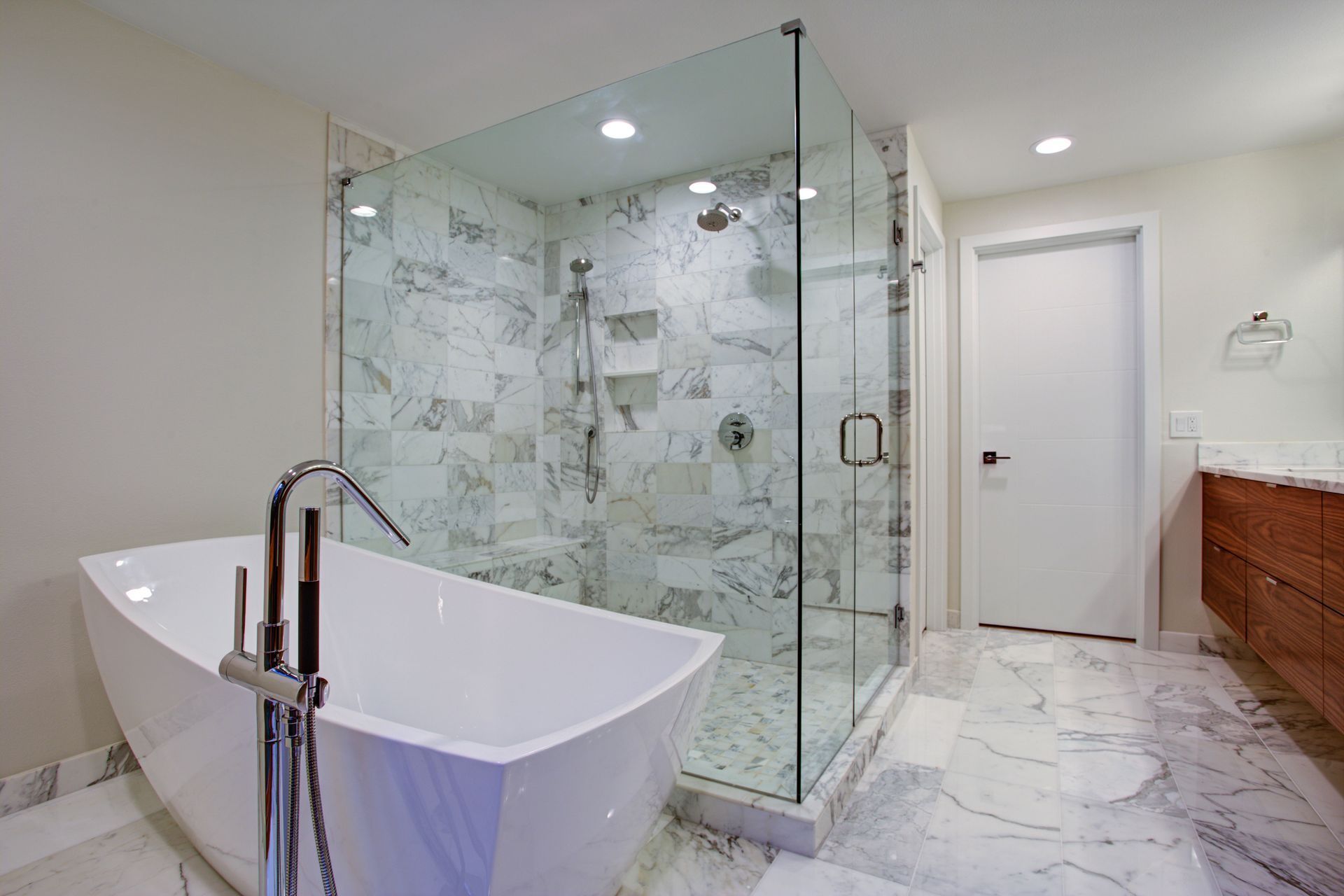
Material selection affects both aesthetics and structural performance. Builders with established supplier relationships provide access to a wide spectrum of finishes, from flooring and cabinetry to exterior cladding and roofing systems. This flexibility allows homeowners to balance visual impact with durability, maintenance expectations, and energy performance.
Structural components also warrant careful selection. Framing materials, insulation systems, and moisture barriers contribute to long-term resilience. A custom home builder evaluates these elements holistically, aligning material decisions with climate conditions and budget parameters.
Incorporating Architectural Details That Enhance Character
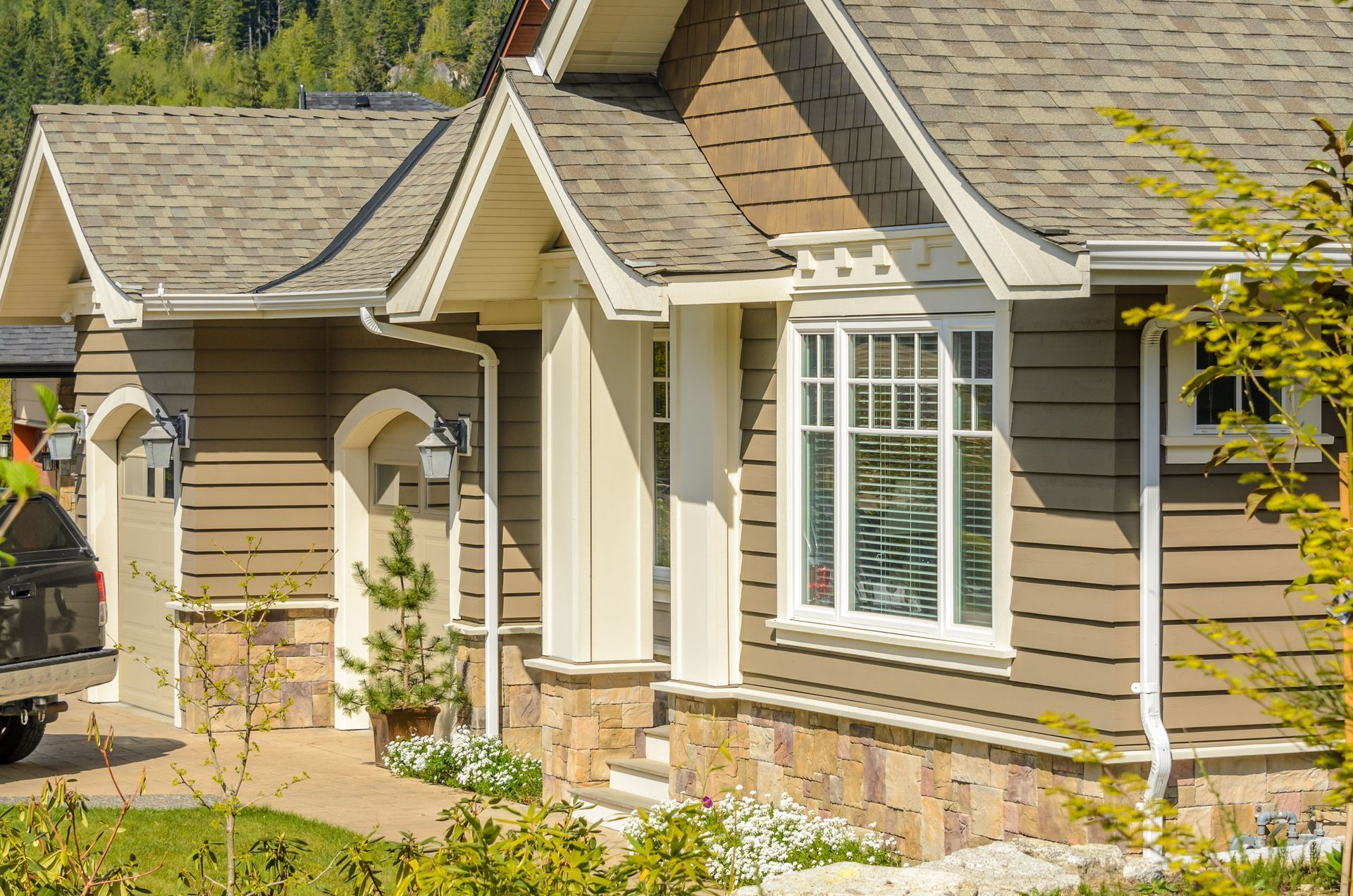
Architectural detailing differentiates a custom home from standard construction. Ceiling treatments, window configurations, stair designs, exterior elevations, and millwork features add dimension and personality.
Collaboration with architects and designers transforms conceptual ideas into technically sound plans. Unique features must integrate seamlessly with structural engineering and local code requirements. This balanced approach supports creative expression without compromising safety or performance.
Delivering Construction Quality That Withstands Time
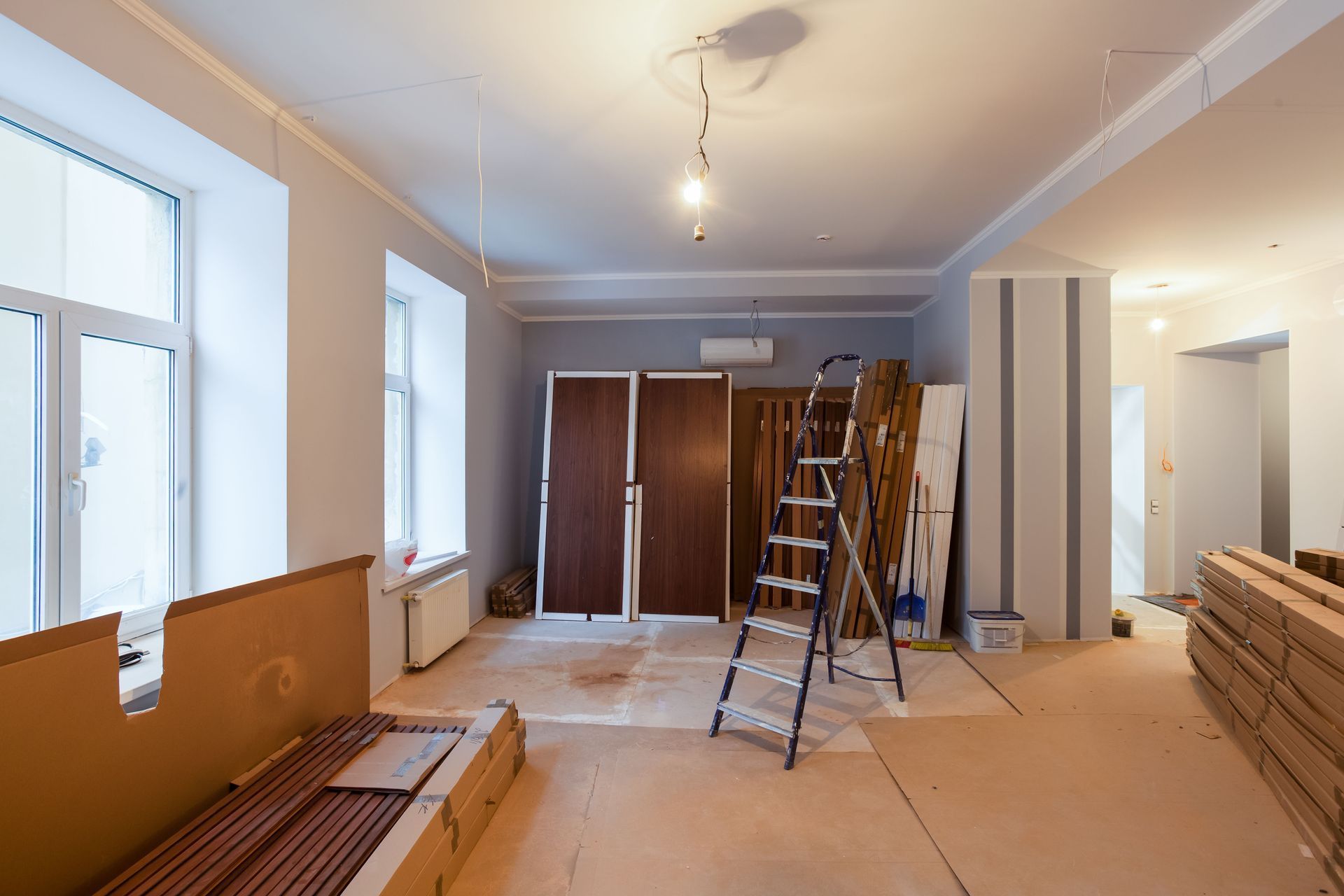
Construction unfolds in sequential phases, each dependent on precision and coordination. Site preparation, foundation work, framing, mechanical systems installation, insulation, drywall, and finishing all require disciplined oversight. Regular inspections at each milestone help identify potential deficiencies before they escalate.
Builders implement quality control measures and site evaluations that maintain consistent standards across trades. This systematic supervision contributes to structural integrity and long-term durability.
Managing Regulatory Requirements With Efficiency
Permitting, zoning compliance, inspections, and documentation significantly influence project timelines. Missteps in regulatory coordination can cause costly delays. Experienced builders understand local ordinances and inspection protocols, enabling smoother navigation through approval processes.
According to the U.S. Census Bureau, completing a new single-family home in 2024 took an average of 7.7 months from the start of construction to completion. This statistic highlights the importance of strategic coordination to maintain progress within expected timeframes. Regulatory efficiency plays a direct role in staying aligned with projected schedules.
Upholding Craftsmanship Through Skilled Trades
High-caliber craftsmanship depends on the expertise of subcontractors across multiple disciplines. Framing crews, electricians, plumbers, masons, HVAC technicians, and finish carpenters each contribute specialized skills.
A reputable custom home builder maintains relationships with experienced tradespeople whose workmanship aligns with elevated construction standards. Coordinated supervision across these trades helps maintain quality consistency throughout the build.
Managing Budgets and Timelines With Strategic Planning
Financial clarity is central to maintaining confidence during construction. Detailed proposals outlining labor, materials, allowances, and contingencies provide homeowners with a clear understanding of projected expenditures.
Structured budgeting supports informed choices when evaluating upgrades or modifications. Transparency reduces the likelihood of unexpected financial adjustments during later stages of the project.
Coordinating Schedules Across Multiple Trades
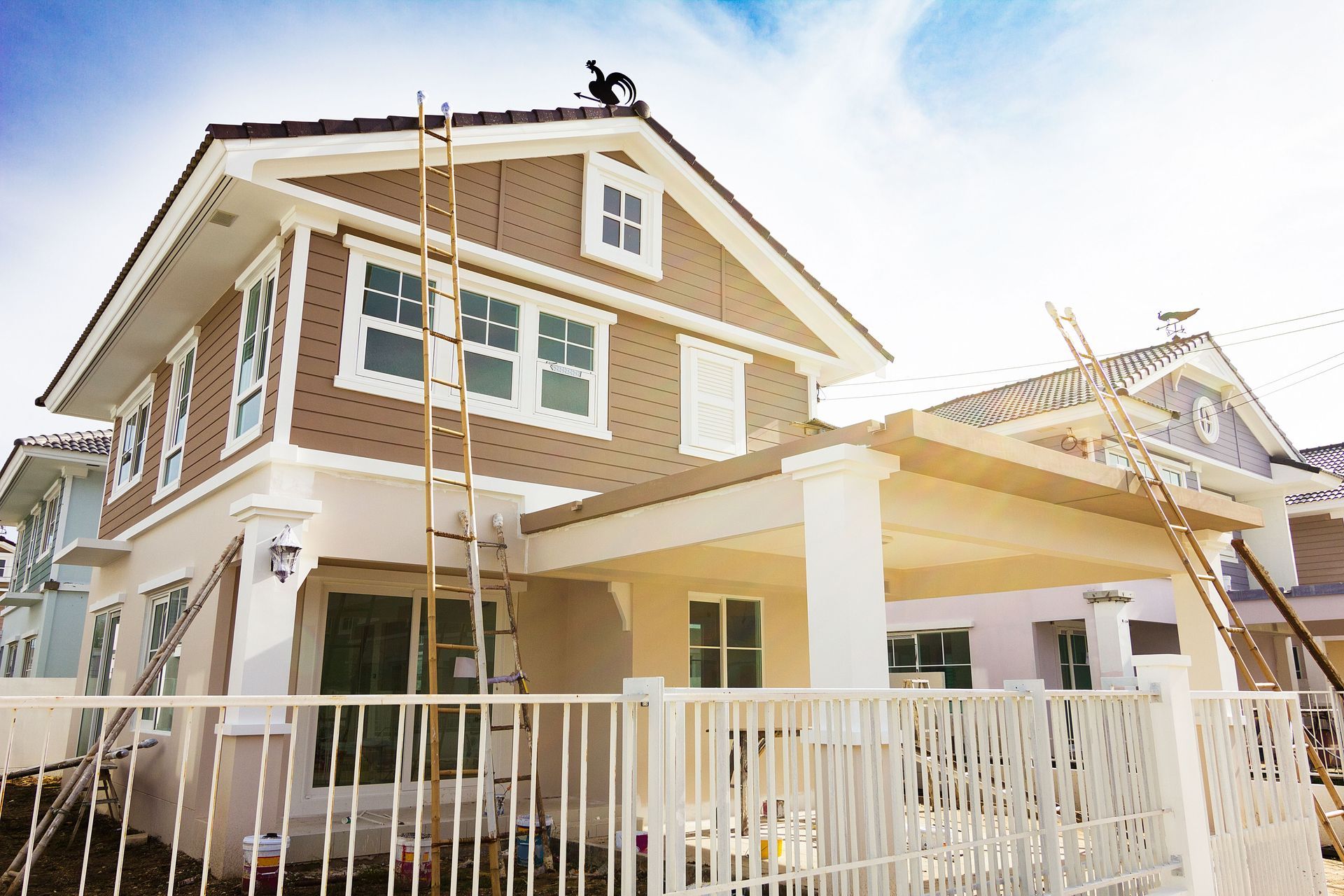
Residential construction requires precise sequencing. Foundations must cure properly before framing begins. Mechanical rough-ins precede insulation and drywall. Exterior cladding must align with weather conditions.
Effective scheduling tools and milestone tracking help coordinate subcontractors and material deliveries. A disciplined timeline reduces idle labor periods and prevents unnecessary project extensions.
Mitigating Delays Through Proactive Oversight
Material shortages, weather interruptions, or inspection rescheduling can affect progress. A custom home builder anticipates these variables and develops contingency strategies to minimize disruption. Early procurement planning and supplier communication help reduce the impact of extended lead times. Proactive oversight protects both schedule and budget while maintaining steady momentum.
Integrating Innovation That Improves Home Performance
Modern homes increasingly integrate automation systems that enhance efficiency and convenience. Climate controls, lighting systems, security integration, and network infrastructure can be planned during early construction phases for seamless installation.
Strategic wiring and infrastructure placement reduce retrofitting challenges later. Incorporating technology during construction enhances long-term adaptability as systems evolve.
Incorporating Energy-Efficient Building Practices
Energy performance is a critical consideration for many homeowners. High-performance insulation, energy-efficient windows, advanced HVAC systems, and airtight building envelopes contribute to reduced operating costs.
Sustainable construction practices also address resource efficiency and environmental impact. Selecting appropriate materials and energy systems supports lower utility consumption and improved indoor air quality. A knowledgeable custom home builder evaluates these options based on site orientation, climate, and homeowner priorities.
Applying Advanced Construction Techniques
Advancements in building science continue to shape residential construction practices. Moisture management systems, structural reinforcements, engineered framing techniques, and improved ventilation strategies enhance long-term durability.
Staying current with evolving construction methodologies allows builders to implement solutions that improve performance while maintaining compliance with updated building codes.
Supporting Homeowners Beyond Project Completion
Post-construction support remains an important aspect of the builder-client relationship. Warranty coverage typically addresses structural components and workmanship considerations within defined periods. Clear documentation and responsive communication provide homeowners with confidence as they transition into occupancy.
Offering Maintenance Guidance for Long-Term Care
Understanding how to maintain mechanical systems, roofing components, exterior finishes, and drainage systems contributes to property longevity. Builders often provide guidance outlining recommended service intervals and seasonal considerations.
This documentation helps homeowners anticipate routine upkeep, reduce premature wear, and identify minor concerns before they develop into larger issues. Establishing a consistent maintenance schedule also promotes operational efficiency across critical home systems. Proactive maintenance supports sustained performance and protects long-term property value.
Fostering Long-Term Client Relationships
Successful residential construction often leads to enduring professional relationships. Ongoing accessibility for questions or future projects reflects a commitment to client satisfaction beyond the final walkthrough.
Clear communication after completion also provides homeowners with continued guidance as they settle into their new space and monitor system performance. This ongoing support reinforces accountability and demonstrates a long-term investment in the homeowner’s experience. A collaborative building experience strengthens confidence and contributes to referrals, reinforcing the value of a well-managed project.
Partnering With a Custom Home Builder for Lasting Results
Building a home requires far more than assembling materials. It demands architectural coordination, regulatory navigation, financial planning, scheduling discipline, and technical oversight. Working with a custom home builder integrates these components into a cohesive and strategically managed process.
From personalized floor plans and material selection to construction supervision and post-completion support, the partnership provides clarity at every stage. Homeowners benefit from professional coordination that aligns creative goals with structural realities.
If you are preparing for new construction and want a team committed to thoughtful design, disciplined project management, and long-term performance, contact W.J. Hand Builders today. Their experience provides the expertise needed to transform your vision into a carefully constructed home designed to serve your family for years to come.